Home > Funeral Planning

Funeral Planning

Why Life Insurance is Important When Planning A Funeral

March 6th, 2013

At some point, everyone has to sit down and discuss the need for life insurance. Yes, it seems overwhelming, but obtaining life insurance is a necessary step in preparing your family for life without you. This is especially true when dealing with the financial aspect of planning a funeral.

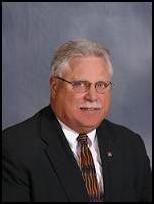
FSN Funeral Home understands that deciding what type of life insurance you need and why it is important can be somewhat confusing. So, we reached out to Gary DeSha from Gary DeSha Insurance who was able to help with questions concerning life insurance. We hope this interview is informative and answers some questions you may have concerning life insurance.

What You Need To Know About Life Insurance and Funeral Planning

FSN Funeral Homes:  When it comes to funeral planning, why is life insurance so important?

Gary DeSha: All of us will likely have to face the death of a close family member at some time in our lives. Perhaps you already have – and the painful memories are still there. In addition to grieving the loss and settling your loved one’s estate, there is also the immediate concern over funeral costs and how to pay for them. It’s a heavy weight to carry for surviving loved ones. Many of us never think about how our family will pay for our funeral.

The cost may surprise you. According to the National Funeral Directors Association, the average cost of a funeral in 2006 was $7,323 and that was seven years ago. This cost did not include the cemetery plot, monument, flowers, obituary or other cash expenses, which could push the cost well over $10,000.

Why burden your family with these costs at a time when they already have many other concerns? With whole life insurance, you can help reduce the worry your family will experience when you die. The life insurance policy assures that money will be in place for your family’s needs.

FSN Funeral Homes: So, exactly what are the different types of life insurance that can help cover these costs?

Gary DeSha: There are three types of plans, one that immediately provides a full death benefit and two that provide a limited death benefit in the first two years. Plan type is based on the answers provided on the insurance application. The three plans are as follows:

  • PlanRight with a Level Death Benefit – The death benefit equals 100% of the face amount. A maximum face amount of $35,000 is available, depending on your age at the time of application.
  • PlanRight with a Graded Death Benefit – The death benefit is limited to 30% of the face amount in the first year, 70% in the second year and 100% beginning with the third year. A maximum face amount of $20,000 is available, depending on your age at time of application.
  • PlanRight with a Modified Death Benefit – The death benefit is limited in the first two years to a return of premiums paid, plus 10% of annual interest. In the third year, the benefit equals 100% of the face amount. A maximum face amount of $15,000 is available, depending on your age at the time of application.

The accidental death rider can be added, at an extra cost, on PlanRight certificates with a level death benefit. The rider pays an additional death benefit if an accidental death occurs. For graded and modified plans, 100% of the face amount is paid if accidental death occurs in the first two years. There is no additional premium for this coverage. All PlanRight certificates include a common carrier accidental death rider that pays an additional death benefit (up to twice the face amount) with no additional premium, if the insured dies due to an accidental bodily injury that occurs on a common carrier. However, the insured must be a fare paying passenger.

FSN Funeral Homes: With so many different types of insurance, how does one know which type is right for them to ensure they receive the best coverage?

Gary DeSha: Find a policy with guaranteed premiums. PlanRight premiums are level and guaranteed. Unlike some other expenses in life, PlanRight premiums remain the same for as long as you keep the coverage current. Secondly, make sure your policy’s benefits are guaranteed. With PlanRight, your death benefit is guaranteed as long as premiums are paid. While your coverage is in effect, the policy will never be cancelled because of changes in your health. Thirdly, make sure you can access the cash value. In times of need, PlanRight allows you to borrow or use the cash value of the policy as collateral for a loan. Lastly, there are tax advantages to owning a policy like this. One advantage is your beneficiary will generally not owe any income taxes on the benefit proceeds.

FSN Funeral Homes: Along with there being different types of insurance, people can also determine their coverage. So, how does one even know how much coverage they need that includes funeral arrangements?

Gary DeSha: According to the National Funeral Directors Association, the average cost of a funeral in 2006 was $7,323. As stated above, this cost does not include the cemetery plot, monument, flowers, obituary or other cash expenses. What if your loved one dies out of the country or out of state? The costs incurred in transporting the remains back home for the funeral could run several thousand dollars. You don’t want to plan for the worst, but on the flip side, you don’t want to be caught with unexpected expenses either. So check with your local funeral home to get an idea of the current costs associated with a funeral. Once you have an idea of what the funeral would cost, you can then determine what life insurance amount you will need.

FSN Funeral Homes:  Lastly, when do you recommend that life insurance be purchased?

Gary DeSha: You may purchase life insurance at any age. If you’re single, your parents or siblings will not have to deplete their savings to take care of your final expenses. If you’re married, your family depends on you to provide a comfortable, safe lifestyle. You need help to protect that lifestyle. Contact an agent that offers a wide range of products that can meet your insurance needs. Many policies offer more than a death benefit. Some have optional accident or disability income insurance which will provide regular monthly income if you become totally disabled and unable to work as a result of an accident. Other policies offer accumulating cash value that can be used at retirement. Foresters, for example, offers an optional family health benefit to aid with unexpected hospital costs in the event of a natural disaster.

We may not want to think about life without us, but it is inevitable. Funeral planning and life insurance are the best way to provide for your loved ones’ needs after you are gone. You should be able to take the information Mr. DeSha provided and discuss your needs with both your insurance agent and your funeral home.

The key takeaways here are:

  1. Life insurance is very important when planning a funeral.
  2. Find a policy with guaranteed premiums.
  3. Check with your local funeral home on costs of a funeral. Once you have an estimated cost, you’ll have an idea of the amount of life insurance you need.

Gary DeSha is an independent insurance agent in Alexandria, MN. Over the years, Mr. DeSha has helped many families in Minnesota plan for their financial future. Gary DeSha Insurance is located at 2109 Lake Park Place, Alexandria, MN.

Japanese American Funeral Customs

October 18th, 2012

Japan is a country steeped in tradition. Many Japanese-Americans still follow these traditions especially those revolving around the major stages of life: birth, marriage, and death.

In Japan, the most common funeral services follow the Buddhist faith. The Buddhist ceremony consists of four parts: a wake, cremation, burial, and memorial services.  Japanese-American funeral services follow the same elements although in varying degrees. To understand Japanese-American funeral services, you must first understand the funeral customs and traditions of Japan.

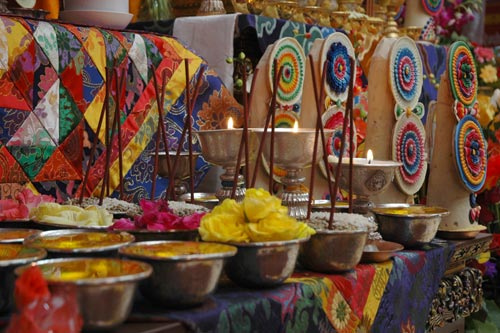
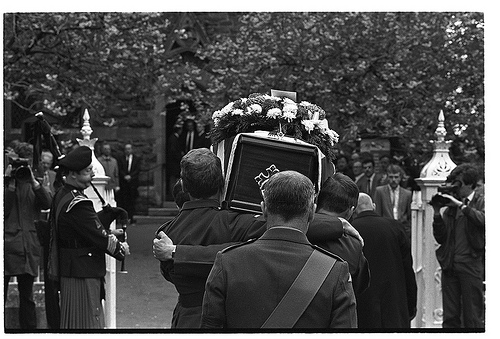
An Offering at a Buddhist Funeral Ceremony

The Wake

At the wake, the body is placed in a casket with the head facing north. Traditionally guests of Japanese funerals wore white, but today it is most common to wear formal black attire. At the wake a Buddhist priest will read a sutra. The priest will be carrying a prayer bead called a juzu. Guests may also be given a juzu upon arrival. Family members will then offer incense before the deceased. Traditionally, condolence money will be offered to the family to help with funeral expenses. People paying their respect will give the family an envelope called a koden which will contain anywhere from fifty to three hundred dollars. At the end of the wake all guests will be given an appreciation gift. Following the wake, close relatives will stay overnight with the deceased.

The Cremation Service

The day after the wake is the day of  cremation. The traditional Japanese cremation service differs from traditional cremation in America. In Japan, the casket is taken to the crematorium, and the family watches as the casket is placed inside. The family members then  leave and wait for the completion of the cremation. After the cremation is competed the family returns to transfer the bones of the deceased into an urn. This is traditionally done using chopsticks. Family members will pass the bones from chopsticks to chopsticks and into the urn. The order in which the bones are moved is important.  The bones must be picked up starting with the feet to the head in order to ensure the deceased is not placed upside down.

Japanese Burial Options

After the cremation service, family and friends may travel directly to the family grave – haka in Japanese - or keep the urn at the family home for several days. Traditionally, the entire family will eventually be buried in a chamber beneath the family grave. Today, it is becoming  common to keep the urn or to scatter the ashes in a symbolic location. If the deceased is buried in a family grave, family and guests may leave flowers, water, and incense in front of the site.

Japanese Memorial Customs

Japanese memorial customs depend strongly on family traditions. Generally, the first forty-nine days are very important for the soul of the deceased, since it is believed that the soul does not enter heaven until the forty-ninth day. A common custom is to hold a memorial service every seventh day until the forty-ninth day. At the memorial service, a Buddhist monk will chant a sutra, either at the family’s home or at the local temple. The family and friends will then place fresh flowers and burn incense at the family grave. Everyone will join together for a meal.

Finally, it is very important to understand the religious beliefs of the person who has passed.  Japanese Americans vary in traditions and beliefs. The first step in planning a funeral ceremony for a Japanese-American is to consider the beliefs of the deceased. For example, a Christian may want a funeral more similar to the traditional American style. Also, if family still lives in Japan, they should be contacted. They could help shed light on family customs. Lastly, it would be most appropriate to contact a Buddhist temple if attempting to conduct a Buddhist ceremony.  They may aid the funeral home in properly performing the Buddhist funeral ceremonies.

Buddhist Offering photograph from  acdme on Flickr.

Locally-owned or Corporate Funeral Home?

October 5th, 2012

Often knowing where to begin is the most challenging aspect of funeral planning. When choosing what funeral home to use, there are many factors to consider. The first of which is whether to use a locally-owned funeral home versus a corporate funeral home. Each have their advantages, yet the overall approach and guidance may be different.

To understand the advantages of using a locally/family-owned funeral home, FSN Funeral Homes spoke to Larry Don Graves, owner of Sam Houston Memorial Funeral Homes in Huntsville, TX. Mr. Graves gives us great insight into the benefits of using a locally-owned funeral home.

Larry Graves - Funeral Director of Sam Houston Memorial Funeral HomeFSN Funeral Homes: What is the most significant advantage of using a locally/family-owned funeral home over a corporate funeral home?

Larry Don Graves: ”A family owned funeral home’s major desire is always about the service and care given to the family. We focus on catering to the specific needs and wants of the deceased and their family because we are not just a business and they are not just our customers. They are part of our community and part of our daily lives. In fact, most  mom and pop-owned funeral homes, have a strong sense of community — often giving back to that community in a variety of ways. Corporate-owned funeral homes often do not have this same in-depth connection with the local community.”

FSN Funeral Homes: As a family-owned funeral home what is your approach or relationship with local families?

Continue reading “Locally-owned or Corporate Funeral Home?” »

3 Funeral Planning Aspects You Need to Know

June 7th, 2012

The Traditional Funeral Service Can Be Personalized for Each Family

Let’s face it, the average person has little to no clue about what goes on behind planning a funeral service.  That’s why there are funeral home directors to guide individuals through the process.  Even so, it’s a good idea to have a basic understanding of what you want and what you need before meeting with a funeral director.   That’s why FSN Funeral Homes called Janie Singleton, co-owner and funeral director for Faith Funeral Service, to get some insight into recent changes in the funeral home industry and her opinion on the funeral home’s responsibility to educate the public.

Through her 12 years working in the industry, Singleton has found many myths exist around funeral planning which create potential problems.  In a recent seminar hosted by Singleton, she discussed three major aspects affecting the funeral home industry which she feels the public should be more aware of: changing burial methods, pre-planning, and new legislation.

Changing Burial Trends Provide More Options

As she discussed the number of ways which a burial may be planned, Singleton stresses the opportunity this gives to those burying their loved ones.  “Every service can be customized to fit each family,” Singleton explains, “and that’s what we try to do.” Here are a few burial options Singleton described:

Personalizing A Loved One’s Funeral

November 8th, 2011

Planning a funeral for a loved one is a difficult time for anyone. A lot of work, time and effort goes into the planning process. Also, you want to make sure that it’s a special time of remembrance for your loved one. Have you thought about ways that you can personalize your loved one’s funeral?

Consider Their Unique Personality Traits

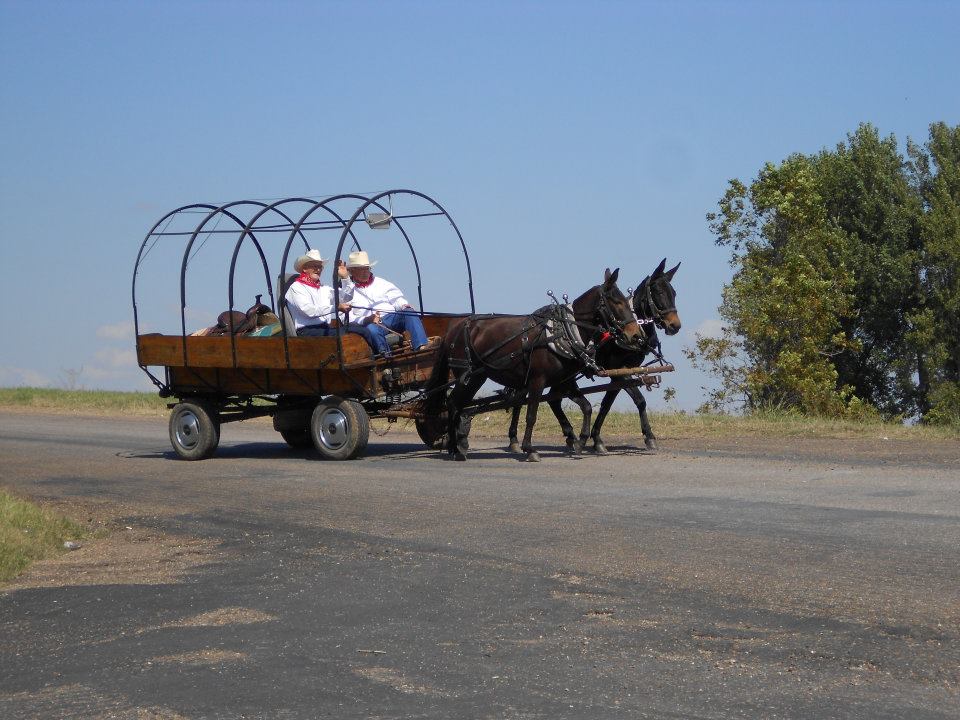
Funeral Wagon - Personalized Funeral TransportationWhen planning to personalize your loved ones funeral, think back to the fond memories you shared with them. Think about their stand-out qualities, and what other people saw in them. Also, consider their likes, hobbies, dislikes, achievements and passions.

Personalizing The Funeral Ceremony

Once you have thought about what that person meant to others and took into consideration their passions and likes, get together with other family members and come up with a creative way to incorporate these elements into the ceremony.

Personalize the visitation, eulogy, music, readings, procession, committal service, the gathering or reception. Each can be personalized in different and many ways. For the visitation, display photos, memorabilia, collections of their work or their achievements for a personalized effect. Choose music that is meaningful to that person, poetry and readings that describe that person’s life,
or even have the procession vehicle catered towards their hobbies or interest.

Ask people that were closest to that person to give readings, play music or be a pallbearer; however they feel they can contribute. A great way especially to personalize the ceremony is during the speech. This is the time that they can talk about all of their great qualities and passions.

More Tips For Personalizing A Loved One’s Funeral

FAQs: Funeral Planning

September 10th, 2011

Here at FSN Funeral Homes, we strive to find the best advise for the questions so commonly asked about funeral planning and the details that come along with it. Here is a list of the most frequent questions and their answers. If you have any questions, please feel free to ask.

FAQ : Funeral Planning

 Funeral QuestionsWhat do I need to know about funeral planning?

There are a few basics you should always keep in mind when planning a funeral.

  • Be informed and ask questions.
  • Go over all options available at several funeral homes, making sure the funeral home you chose is suitable for your personal needs and budget.
  • Request an itemized price list.
  • Make the arrangements for a personalized service to honor your loved one.

Who do I need to contact first when pre-planning a funeral?

  • When pre-planning a funeral you can call the funeral home directly and work with the funeral director there, or you can contact an Estate Planning attorney.

How much does an average funeral cost?

  • The average funeral in today’s time is somewhere between $6,000 – $8,000.  This estimated price includes, all services provided by the funeral home, casket/urn, burial and cemetery arrangements.

Continue reading “FAQs: Funeral Planning” »

Types of Funeral Service Providers

September 7th, 2011

Funeral service providers are not all created the same and do not always offer the same services you might be expecting. When planning a funeral, you don’t always have a lot of time to make arrangements – so, learning the ins and outs of funeral planning ahead of time can help for when the time is necessary.

Funeral Home OptionsThere are three categories of funeral providers to choose from.

  • Full Service Providers
  • Specialized Service Providers
  • Limited Service Providers

Full-Service Funeral Providers

Full service providers offer the most options and services when it comes to funeral planning. They can fulfill any service request at any time. The services available are:

  1. Facilities for people to gather in for visitations and ceremonies.
  2. Vehicles such as a hearse and limousines for funeral processions.
  3. A large range of caskets, urns and other funeral service merchandise.

Keep in mind – that when using Full Service funeral home they often don’t offer simplified services with the same attention to detail as they would for a more elaborate full service ceremony.

 Specialized Service Providers

Specialized service providers offer similar service options as the full service funeral homes do but on a more limited basis. The services are:

  1. Facilities for people to gather in for visitations. Typically they are smaller than the full-service providers buildings – and only have one or two rooms for services and ceremonies.
  2. Vehicles may or may not be provided, and hours of operation may be shorter.
  3. Small range of funeral merchandise, including caskets and urns. They are typically in a building similar to doctors office in appearance.

Limited Service Providers

Limited service providers usually arrange direct cremation and burials without ceremonies.

  1. The services they offer are usually limited when it comes to completion of documentation and transferring the deceased to the crematory or cemetery.
  2. Merchandise choice is very limited.

Make sure that the services and merchandise they offer are adequate for your situation. They are often very limited and precise when it comes to providing funeral services, however they are often the least expensive option.

Keep in mind…

  • When ‘shopping’ for a funeral home provider, take care to go over all the details before signing any contracts. You can use the Funeral Home Comparison Checklist to help you when planning a funeral, by comparing prices and services offered at the funeral homes in your area.

Once you have chosen the funeral home to coordinate and provide your services, you will sit down with a funeral director to start planning and arranging the funeral. The whole situation is a bit intimidating if you are not sure of what to expect and how to express your concerns. By educating yourself about funeral and cemetery terminology as well as the means needed for pre-planning a funeral ahead of time, you will feel more comfortable when making the arrangements.

Funeral Home Comparison Checklist

August 31st, 2011

Today, many families are not aware of their role in the funeral planning process. Once you have an idea of what you would like to take place at the service you are planning, you should sit down with a funeral director to go over the logistics.

Something you should know:

You are the one who determines the cost of the funeral services that will be held for you or your family members. The details of the services are guided and determined by your needs, and budget. But, not all funeral homes are created equal, they come in different sizes, styles and have different specialties. It is a wise idea to ‘shop’ around before deciding which funeral home to work with. Below is a checklist that will aid you in covering all the cost aspects associated with planning a funeral.

Funeral Home Comparison Checklist

Make copies of this checklist to compare the prices of services offered at funeral homes in your area.

Name of Funeral Home____________________________________________

Name of Crematory_______________________________________________

Name of Cemetery________________________________________________

Notes on Business Reputation_____________________________________

________________________________________________________________

Continue reading “Funeral Home Comparison Checklist” »

Jewish Funeral Customs and Traditions

August 26th, 2011

Judaism teaches that traditional funerals are to be within the days immediately flowing death. There are certain circumstances, such as waiting for traveling family members, that are often allowed, but not encouraged. Cremation is often avoided in the Jewish faith, as to not disturb the natural decomposition of the body. The beliefs and customs taught here by Judaism are based on the Torah. The Jewish philosophy is that one should embrace life and accept death. And that living a praiseworthy life will prepare you for the afterlife.

Funeral Preparation

Dating back to Biblical times, earth burials have become the most commonly practiced burials in traditional Judaism. A Viewing of the deceased is not a custom that Judaism allows. It is thought that looking at person who cannot look back is disrespectful, which is why most Jewish funerals are closed casket services. Unless local laws require embalming, it is often avoided. A simple wood casket made from pine or walnut wood containing no metal is used to carry out the earth burial.

A purification of the deceased body is done by The Chevra Kadisha. This is a sacred society made up of a group of men and women who perform the ritual of cleansing and preparing the body for burial. A white gown with no pockets or decorations, called a Tachrichim, is worn for burial. It symbolizes that when mortals leave this world they take nothing with them, and judgment from God is based on merits and good deeds, not materialistic belongings.

Mourners

In Judaism a mourner is considered to be Kaddish related. This means that the mourners are obligated to observe and conduct the rites of mourning. Parents, spouses, siblings and children of the deceased are considered mourners and it is their responsibility to make sure that proper Jewish funeral rites are carried out.

The Service

Traditional Jewish funerals take place in a temple, synagogue or graveside. Funeral guests dress conservatively. Men wear a head covering called a kippah or yarmulke, and most often a suite and tie. Women are not required to wear head coverings, however, they do not wear short sleeves, short skirts or open toed shoes.

You will notice that most Jewish funerals will not have many flower arrangements other than one or two small casket tributes. Most Jewish funerals ask that a charitable donation be made instead of sending flowers.
Family members (mourners) will more than likely be in a waiting room or in a vehicle prior to the service. This is because it is disrespectful to talk to the mourners before the burial. No condolences are to be offered until after the service is over.

Traditional Jewish services usually last about 20 minutes and consist of several Scripture readings, Psalms, prayers and a eulogy. The Rabbi will lead the congregation through the service beginning with the cutting of a black ribbon. Participation is encouraged throughout the prayers.

Prior to or after the service the mourners perform the ritual K’riah. It is an ancient custom, traditionally tearing garments, but has now evolved into attaching a black ribbon to the outside of the clothing worn by the mourners. A special prayer is said during the cutting of the ribbon: ‘Dayan Ha’emet‘ meaning ‘Blessed is the judge of truth’.

  • The ribbon is worn on the left side if they are mourning a parent.
  • It is worn on the right side for all other Kaddish relatives.
  • The ribbons are traditionally worn for 7 days. However, the mourners of a parent wear it for 30 days.

Burial

Chairs surround the burial site for the mourners to sit. Friends and family will stand or sit surrounding the family during the burial. Prayers are said along with Chesed Shel Emet which is considered the greatest act of kindness to the departed. Where mourners and guests take part in the burial by placing a handful or shovel full of dirt or rocks in the grave.

A Shura is then formed by the guests at the service. It is a double line facing each other forming a pathway for the mourners to pass through and receive words of condolences. This will be the first time that mourners will receive any comforting words from guests at the service. A traditional expression often said to the family during the Shura is “‘Ha-Makom yenahem etkhem b’tokh sha ar aveilei Tzion v Yerushalayim’ meaning ‘May the Omnipresent comfort you among all the mourners of Zion and Jerusalem’.

  • Washing your hands when leaving the cemetery is customary in the Judaism. You may do this at home or before you enter the Shiva home.

Shiva Home

Following Jewish tradition a Shiva is held at the home of the mourners. This is one of the most meaningful traditions in the Jewish faith. The community will offer a meal for the mourners at their home. Family and guests will attend to console and express sympathy to the family.

  • The Shiva is a seven-day period for mourning beginning the day of burial. Mourners will stay home during this time. The only time a mourner will leave home is on Shabbat to attend a service in the Synagogue. Everyday during the seven days there will be three prayer services at the home when the mourners will recite the Kaddish prayer.

During the seven days of Shiva it is appropriate to visit the home of the bereaved. You may notice that mirrors are covered, candles are lit, men are unshaven and women are not wearing makeup. This is a tradition that symbolizes the great disruption the death has brought to the family.


Funeral Music and Why It Is Important

July 4th, 2011

Funeral Music has a natural way of reaching deep into our unconscious and provide the rich opportunity for healing, while accessing unspoken words, thoughts and feelings. It has a way of soothing and comforting someone in grief, stimulating pleasant memories of time shared with the departed person.

Funeral MusicThere are no rules for funeral music.

Different cultures and religions call for different types and styles of music. However, the music needs to reflect the departed character. Beautiful hymns, classical music, Celtic Aires, country classics or lullabies are the most popular styles. If you are having trouble choosing the right music, here is a list of some of the most used songs for funeral and memorial services. Funeral music works as a gathering and closing in the funeral or memorial service. It sets the time and structure for the ceremony.

Popular Funeral Music

Amazing Grace – Elvis Presley
The Prayer - Celine Dion and Andrea Bocelli
Candle in The Wind - Elton John
Con Te Partiro/Time to Say Goodbye – Andrea Bocelli and Sarah Brightman
Hallelujah - Jeff Buckley
I Am Your Child – Barry Manilow
Remember When – Alan Jackson
Over The Rainbow – Eva Cassidy
What  A Wonderful World – Louis Armstrong
Wind Beneath My Wings – Bette Middler

Continue reading “Funeral Music and Why It Is Important” »