Author Archive

Common Questions Dealing With Grief

September 4th, 2011

A good friend of mine has lost a loved one, should I call or visit right away?

  • Yes. Calling to ask what help is needed is a great way to show sympathy to your friend. Necessary help isn’t always available when it is needed. Visits to the home are usually welcomed if you are close to the bereaved. Call first to inform them of your visit.

Dealing With GriefIs there anything I can say to ‘Make it better’?

  • Grief is a very painful and emotionally draining experience. Words cannot make it better. It is best to help the grieving with support, love and sympathy.

I wasn’t able to go to the funeral or respond right away, is it too late to offer my condolences?

  • It is never too late to share your sympathy. Often, the time after the funeral service is filled with family and friends offering sympathy and love, but as time goes on, the help dwindles. It is never to late to show that you care.

When will my friend get over the grief and go back to her old self?

  • Grief doesn’t have a time line. It is a process that can last years, with ups and downs. It is normal for the grieved to go through stages of fear, shock, pain, anger, guilt, denial, loneliness acceptance and finally recovery. But it takes time and patience. As a friend, the most important thing you can do is be there for them, through their ups and downs.

I feel uncomfortable around my grieving friend. I am trying not to avoid her, but sometimes I feel it’s best. What should I do?

  • Avoiding your friend only adds to their pain. And, can make them feel even worse. Don’t pity your friend, treat them like you normally do. If you can’t find the right words, be open about it and tell them honestly. Sharing a coffee break or a lunch will be a good way to sit and talk about everything.  Once everything is out in the open, your feelings will be easier to express.

Continue reading “Common Questions Dealing With Grief” »

Funeral Home Comparison Checklist

August 31st, 2011

Today, many families are not aware of their role in the funeral planning process. Once you have an idea of what you would like to take place at the service you are planning, you should sit down with a funeral director to go over the logistics.

Something you should know:

You are the one who determines the cost of the funeral services that will be held for you or your family members. The details of the services are guided and determined by your needs, and budget. But, not all funeral homes are created equal, they come in different sizes, styles and have different specialties. It is a wise idea to ‘shop’ around before deciding which funeral home to work with. Below is a checklist that will aid you in covering all the cost aspects associated with planning a funeral.

Funeral Home Comparison Checklist

Make copies of this checklist to compare the prices of services offered at funeral homes in your area.

Name of Funeral Home____________________________________________

Name of Crematory_______________________________________________

Name of Cemetery________________________________________________

Notes on Business Reputation_____________________________________

________________________________________________________________

Continue reading “Funeral Home Comparison Checklist” »

Jewish Funeral Customs and Traditions

August 26th, 2011

Judaism teaches that traditional funerals are to be within the days immediately flowing death. There are certain circumstances, such as waiting for traveling family members, that are often allowed, but not encouraged. Cremation is often avoided in the Jewish faith, as to not disturb the natural decomposition of the body. The beliefs and customs taught here by Judaism are based on the Torah. The Jewish philosophy is that one should embrace life and accept death. And that living a praiseworthy life will prepare you for the afterlife.

Funeral Preparation

Dating back to Biblical times, earth burials have become the most commonly practiced burials in traditional Judaism. A Viewing of the deceased is not a custom that Judaism allows. It is thought that looking at person who cannot look back is disrespectful, which is why most Jewish funerals are closed casket services. Unless local laws require embalming, it is often avoided. A simple wood casket made from pine or walnut wood containing no metal is used to carry out the earth burial.

A purification of the deceased body is done by The Chevra Kadisha. This is a sacred society made up of a group of men and women who perform the ritual of cleansing and preparing the body for burial. A white gown with no pockets or decorations, called a Tachrichim, is worn for burial. It symbolizes that when mortals leave this world they take nothing with them, and judgment from God is based on merits and good deeds, not materialistic belongings.

Mourners

In Judaism a mourner is considered to be Kaddish related. This means that the mourners are obligated to observe and conduct the rites of mourning. Parents, spouses, siblings and children of the deceased are considered mourners and it is their responsibility to make sure that proper Jewish funeral rites are carried out.

The Service

Traditional Jewish funerals take place in a temple, synagogue or graveside. Funeral guests dress conservatively. Men wear a head covering called a kippah or yarmulke, and most often a suite and tie. Women are not required to wear head coverings, however, they do not wear short sleeves, short skirts or open toed shoes.

You will notice that most Jewish funerals will not have many flower arrangements other than one or two small casket tributes. Most Jewish funerals ask that a charitable donation be made instead of sending flowers.
Family members (mourners) will more than likely be in a waiting room or in a vehicle prior to the service. This is because it is disrespectful to talk to the mourners before the burial. No condolences are to be offered until after the service is over.

Traditional Jewish services usually last about 20 minutes and consist of several Scripture readings, Psalms, prayers and a eulogy. The Rabbi will lead the congregation through the service beginning with the cutting of a black ribbon. Participation is encouraged throughout the prayers.

Prior to or after the service the mourners perform the ritual K’riah. It is an ancient custom, traditionally tearing garments, but has now evolved into attaching a black ribbon to the outside of the clothing worn by the mourners. A special prayer is said during the cutting of the ribbon: ‘Dayan Ha’emet‘ meaning ‘Blessed is the judge of truth’.

  • The ribbon is worn on the left side if they are mourning a parent.
  • It is worn on the right side for all other Kaddish relatives.
  • The ribbons are traditionally worn for 7 days. However, the mourners of a parent wear it for 30 days.

Burial

Chairs surround the burial site for the mourners to sit. Friends and family will stand or sit surrounding the family during the burial. Prayers are said along with Chesed Shel Emet which is considered the greatest act of kindness to the departed. Where mourners and guests take part in the burial by placing a handful or shovel full of dirt or rocks in the grave.

A Shura is then formed by the guests at the service. It is a double line facing each other forming a pathway for the mourners to pass through and receive words of condolences. This will be the first time that mourners will receive any comforting words from guests at the service. A traditional expression often said to the family during the Shura is “‘Ha-Makom yenahem etkhem b’tokh sha ar aveilei Tzion v Yerushalayim’ meaning ‘May the Omnipresent comfort you among all the mourners of Zion and Jerusalem’.

  • Washing your hands when leaving the cemetery is customary in the Judaism. You may do this at home or before you enter the Shiva home.

Shiva Home

Following Jewish tradition a Shiva is held at the home of the mourners. This is one of the most meaningful traditions in the Jewish faith. The community will offer a meal for the mourners at their home. Family and guests will attend to console and express sympathy to the family.

  • The Shiva is a seven-day period for mourning beginning the day of burial. Mourners will stay home during this time. The only time a mourner will leave home is on Shabbat to attend a service in the Synagogue. Everyday during the seven days there will be three prayer services at the home when the mourners will recite the Kaddish prayer.

During the seven days of Shiva it is appropriate to visit the home of the bereaved. You may notice that mirrors are covered, candles are lit, men are unshaven and women are not wearing makeup. This is a tradition that symbolizes the great disruption the death has brought to the family.

 

Grieving Children: Questions about Death

August 23rd, 2011

Do children forget quickly and grieve for only a short period?

Children Coping With Grief Although children have shorter attention spans and seem to forget or ignore tragedy and pain, they can actually grieve longer than adults do. The steps of the grieving process  are taken in short spurts because of their attention spans, but they too, have to go through the same steps of grief as an adult. From accepting and comprehending death to recovering and moving on.

Should we include our children at the funeral?

When it comes to children, honesty is key. Children have large imaginations which can make things worse if they are not told what is going on. Children should be encouraged but never forced to take part as a family during the funeral or wake. This is a time for families to come together, share, comfort and mourn together. Your child shouldn’t be left out.

Our children seem distraught and unusually saddened since the loss of a family member, is this normal?

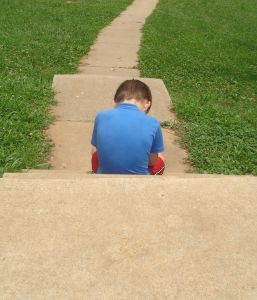
Children, much like adults can lose control of their emotions. Acute anger and guilt can build up as they might feel abandoned or deserted. They might feel as if the death was their fault. Professional help might be needed if there are prolonged periods of abnormal behavior. Accepting loss takes time, and the process of grief can take years to overcome. But, watching for signs of depression in children is very important, since it is harder for them to express their emotions.

Danger signs in grieving children:

  • Depression: Your child shows a loss of interest in daily activities, bonds between siblings shatter or their school grades drop dramatically.
  • Regression: Your child is acting younger and declining in behavior for an extended amount of time.
  • Isolation: Your child might be withdrawing from social activities and school beyond the first few weeks of grief.
  • Fear: They have problems sleeping, eating or develop a great fear of being alone.
  • Wishing for death: Your child might repeatedly wish to join the dead person or have a preoccupation with the deceased.
  • Extreme Anger: Their behavior becomes belligerent and uncharacteristic.
  • Violence: They show acts of violence against piers, adults or themselves.

Any and all of these symptoms are common and expected when children have to face the loss of a loved one – however, the severity and the length of time that it takes is what you have to look out for. Watch for prolonged periods of time that you child is not acting like themselves.

Offer support and encourage communication using verbal expressions of emotions. Talk with child and ask questions about their feelings. Children have a  hard time communicating especially when it has to do with death. The unknown is scary. You want to answer their questions in the most age appropriate way. Being honest, calm and real. If you cry, it’s ok. Teaching children that tears and sorrow are normal helps them to feel comfortable expressing their grief.

Ask for help

When in doubt, ask for help. Contact a family counselor, your church, or school counselor for help. It is hard to help someone deal with grief, if you too are going through the grief process. Asking for help isn’t a sign of weakness, it is encouraged and respected. Be a good role model for your child and accept that grief is a process that takes time and effort to get through.


Military Funeral Honors and Customs

August 18th, 2011

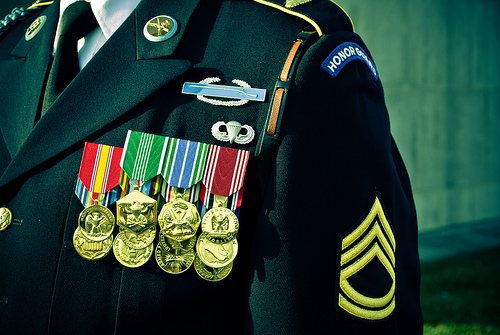
United States Veterans are given honorable, military funerals to commemorate the time they spent while serving our country. Family and friends are comforted in the traditions and respectful services created in honor of their loved one. Serving our country in the military is incredibly honorable. So, with respect to the fallen soldiers who have made this sacrifice, we salute them with tradition, respect and honor in the way of Military Honors.

Military funerals can take place at private cemeteries and national cemeteries dedicated to fallen soldiers across the country. There are 128 national cemeteries and 33 soldier’s lots through out our nation alone. Religious traditions are often tied into the service to honor both the deceased’s religion and military duty.

Draping the Casket with the National Flag

The tradition of draping the American Flag over the casket of a fallen soldier began during the Napoleonic War between 1796 and 1815. The deceased were carried off the battlefield covered in flags to honor their sacrifice. This practice continues to this day, but instead of several small flags, a large American Flag is draped over the top of the casket.

A United States flag is provided, at no cost, to drape the casket or accompany the urn of a deceased Veteran who served honorably in the U. S. Armed Forces.

Continue reading “Military Funeral Honors and Customs” »

Hold On To Your Memories: Memorializing Your Loved One

August 14th, 2011

Grief can sometimes feel like waves that come and go, rushing you with emotions. The heartache can leave us numb – but memorializing our loved ones can help us get through it. Honoring the life and joy that your loved one brought to you is a great way to start moving forward in your own life.

Everyone copes with grief differently. Grief is something that doesn’t just go away, it takes time, effort and acceptance. Finding a new hobby, or creating a memorial for your loved one can help exponentially during this emotional time. Hold on to memories by memorializing their life.

Ways to create a memorial

Memorial scrap quilt

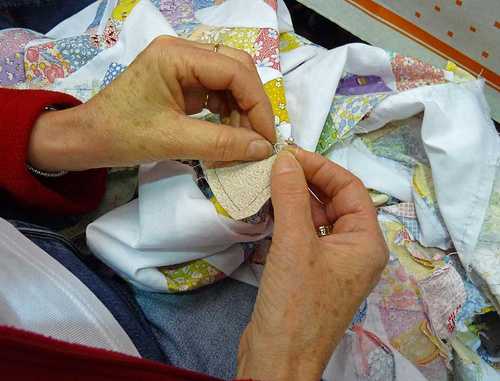
Create a scrap quilt by turning your loved ones old clothing into a quilt. You can use any fabric or pattern to create a nostalgic quilt that will keep you warm with memories.

Write a song

Music has a calming effect on people. It is a way to express your emotions without having to say a word.
If you play an instrument or enjoy singing – create a song honoring your loved one and it record it on tape, CD or to your computer. It will be something you can hold close for years.

Plant a memorial garden

Planting a garden in honor of your loved one is a great way to memorialize their lives. Include their favorite flower, or their birth-month flower. Once you have created a memorial garden, it will be a place for you to visit and think of your loved one.

Create a scrapbook

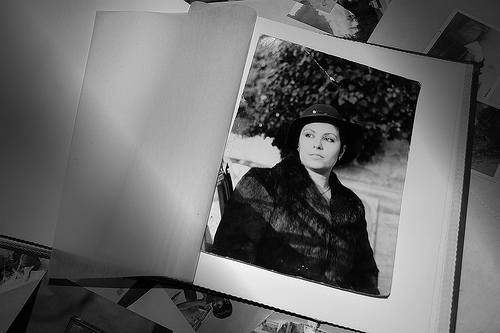
Putting together a scrapbook might be difficult at first, but once the initial emotions have set in, you can create a book that will honor your loved one. Including pictures, favorite readings and poems, stories and fond memories.

Memorial Jewelry

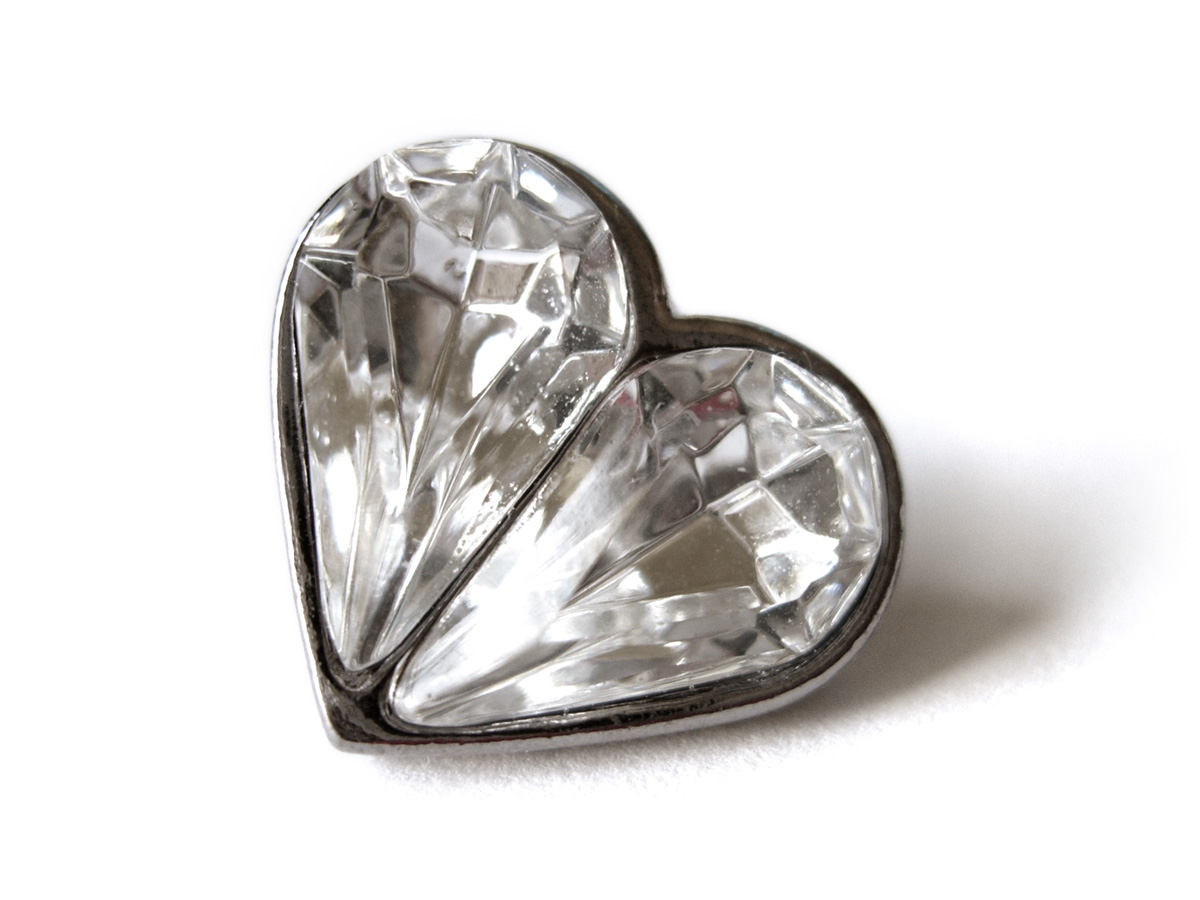
Memorial jewelry, also known as mourning jewelry has been around since Victorian times. Mourners would wear jewelry containing ashes, strands of hair or soil from the graveside, over their heart bringing them peace of mind and comfort. It is a way to memorialize and honor your loved one while keeping them close to you always. You can also have diamonds made from your loved one’s carbon signature.

Personalizing their headstone

A personalized headstone is something that will be there for centuries, giving great honor to your loved and a special place for family and friends to visit.

Donate to a favorite charity

If your loved one was passionate about a certain cause or charity, you can make a donation in their honor. You might also consider creating your own charity in honor of your loved one.

Create a scholarship

Creating  a scholarship in your loved ones name is a great way to keep their memory alive. Others will benefit from your generosity and your loved ones name will live on.

Create a memory book

  • Start a book with your loved one’s picture, name and any special information about them. Write your favorite memories about their life and the time you shared. After you finish, put your book into a shipping box.
  • Write out a list of close friends and family members with their addresses. Include your name and address at the end of the list.
  • Include a pre-paid credit card for postage.
  • Include a note to your friends and family. Ask them to write their favorite memories of your loved one and any pictures they would like to share. Ask them to then send it on to the next person on the list.
  • Send it to the first person on the list.
  • Once you get your memory book you will have pages full of uplifting stories and joyful memories to hold close and honor your loved one.

Whatever way you choose to memorialize your loved one’s life will be special and be cherished forever. You can’t go wrong when speaking from your heart.

Special thank you to boobook48 and Rickydaivd for the beautiful pictures via Flickr

Cremation Diamonds and Memorial Jewelry

August 8th, 2011

Memorial jewelry has become an increasingly popular way to memorialize and remember loved ones who have passed away. For those who are in mourning, it is a wonderful way to begin the healing process. It helps to know that a small piece of your loved one will always be close, both in spirit and physical form.

Memorial jewelry, also known as mourning jewelry has been around since Victorian times. Mourners would wear jewelry containing ashes, strands of hair or soil from the graveside, over their heart bringing them peace of mind and comfort. It is a way to memorialize and honor your loved one while keeping them close to you always.

Create everlasting memories with Cremation Diamonds

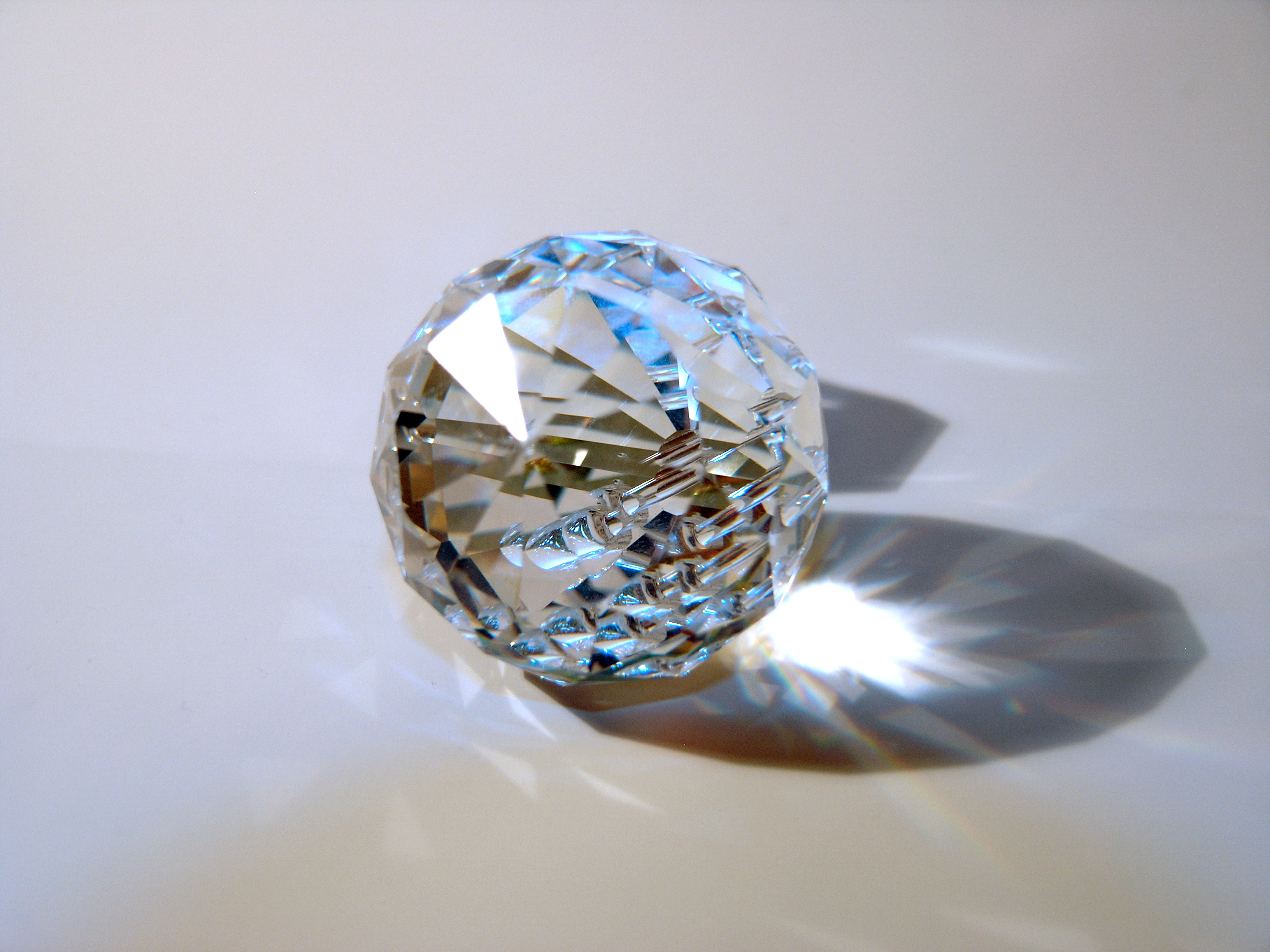
Cremation diamonds take this unique memorial to the next level — a diamond is actually created with your loved one’s carbon signature.

  • Cremation diamonds are made with the cremains (ashes) of your loved one.
  • In the case of burial rather than cremation, diamonds can still be made from a lock of hair instead.
  • Cremation diamonds come in an array of different sizes, cuts, settings and brilliant colors.
  • They can be set just like regular gems: in rings, pendants, necklaces, earrings, and keepsakes.
  • If cremains are used: It takes 250g of cremated remains to create a brilliant cremation diamond.
  • Several dozen cremation diamonds can be made from the remains of a single person. Loving family members are able to share the special memorial, a treasure that will always be cherished.
  • Cremation diamonds are also popular for those who have lost a beloved pet, and want a way to remember and cherish the memories they shared.
  • The cost of a cremation diamond varies depending on the size, its average range is anywhere from $1,900 to $20,000.

Creating a Cremation Diamond

Cremation diamonds are laboratory-grown, synthetic diamonds. Although created by man, they are chemically identical to a natural diamond, and can take anywhere from 6-9 months to create.

The process of creating a Cremation diamond is long and tedious, but well worth it for the everlasting effect it holds.

  1. The first step is to separate the carbon molecules from the ashes.
  2. Then the carbon is turned into graphite. (This stage takes a few weeks of time)
  3. Next, a starter crystal is inserted into the center of the graphite.
  4. Then it is placed into a diamond press where heat is gradually increased to 2,500°.  800,00 pounds of pressure per square inch is slowly applied over a few weeks of time.
  5. A rough crystal (diamond) has been created.
  6. The last step is to create the shape and facets with special tools.

Each cremation diamond is unique and special. Holding deep sentiment and love inside of each sparkling facet. You will be reminded of your loved one and the inspiration they gave you every time you see the sparkle of your one-of-a-kind cremation diamond. A deeply cherished memorial that will live on in honor of your loved one.


Placing Pebbles on Gravestones: A Jewish Tradition Explained

August 5th, 2011

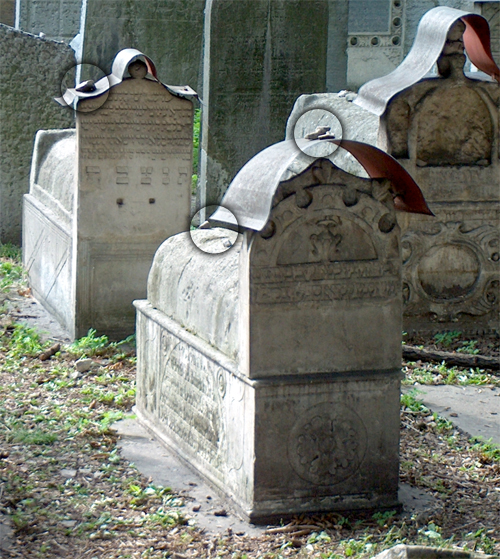
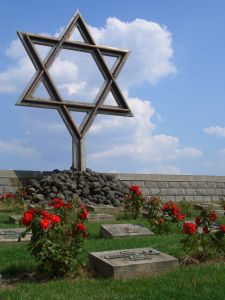
Example of Jewish Headstones with PebblesIt is unlikely that you will see flower arrangements laid upon headstones in traditional Jewish cemeteries. Instead, you might notice heaps or mounds of pebbles atop of the grave sites. Large and small in no particular pattern or shape. This is an age-old Jewish tradition that takes roots from Biblical stories. It’s hard to tell exactly where the tradition originated, however, it is thought to go back to ancient times.

Evidence in Scripture

  • In the book of Exodus Moses spent 40 years traveling from Egypt to Israel. Instead of burying their dead, they would cover the body with a sheet and then cover with rocks and pebbles to hold the sheet down.
  • In the book of Exodus God manifested the 10 Commandments on a stone tablet in the presence of Moses.
  • In the book of Exodus Moses is told by God to strike the rock at Horeb to bring forth water from the rock; this was done in front of the elders of Israel in God’s name.
  • In the book of Genesis Abraham was told to build an altar (a mound of rocks) to sacrifice his only son, Isaac, as a test from God.

Adorning gravestones with pebbles

In Judaism it is customary for Stones of Remembrance to be placed on gravestones by family and friends visiting the departed.

Continue reading “Placing Pebbles on Gravestones: A Jewish Tradition Explained” »

The Meanings Behind Sympathy Flowers

August 2nd, 2011

For centuries, flowers have been used as an expression of sympathy during times of loss. Sending flowers in honor of the deceased is a sincere way of expressing love, respect and sympathy. Flowers have a language all their own, conveying secret messages that can often speak louder than words.

Flowers represent and symbolize different characteristics, meanings, and emotions, with each flower and color symbolizing something different. Once you have decided what message you want to convey, you can customize your arrangement using the language of flowers. Below is a chart defining the hidden messages behind each flower:

Sympathy Flower Meanings

  • Alstroemeria: Symbolizes friendship
  • Carnations: Depending on the color the meanings change. Red stands for admiration. Pink conveys remembrance. White represents pure love and innocence.
  • Cherry Blossoms: Stands for innocence, spring and simplicity
  • Chrysanthemums: Represents truth
  • Cyclamens: Symbolizes resignation and farewells
  • Forget-Me-Nots: Represents faithful love and remembrance
  • Gladiolus: Conveys strength of character, sincerity and moral integrity
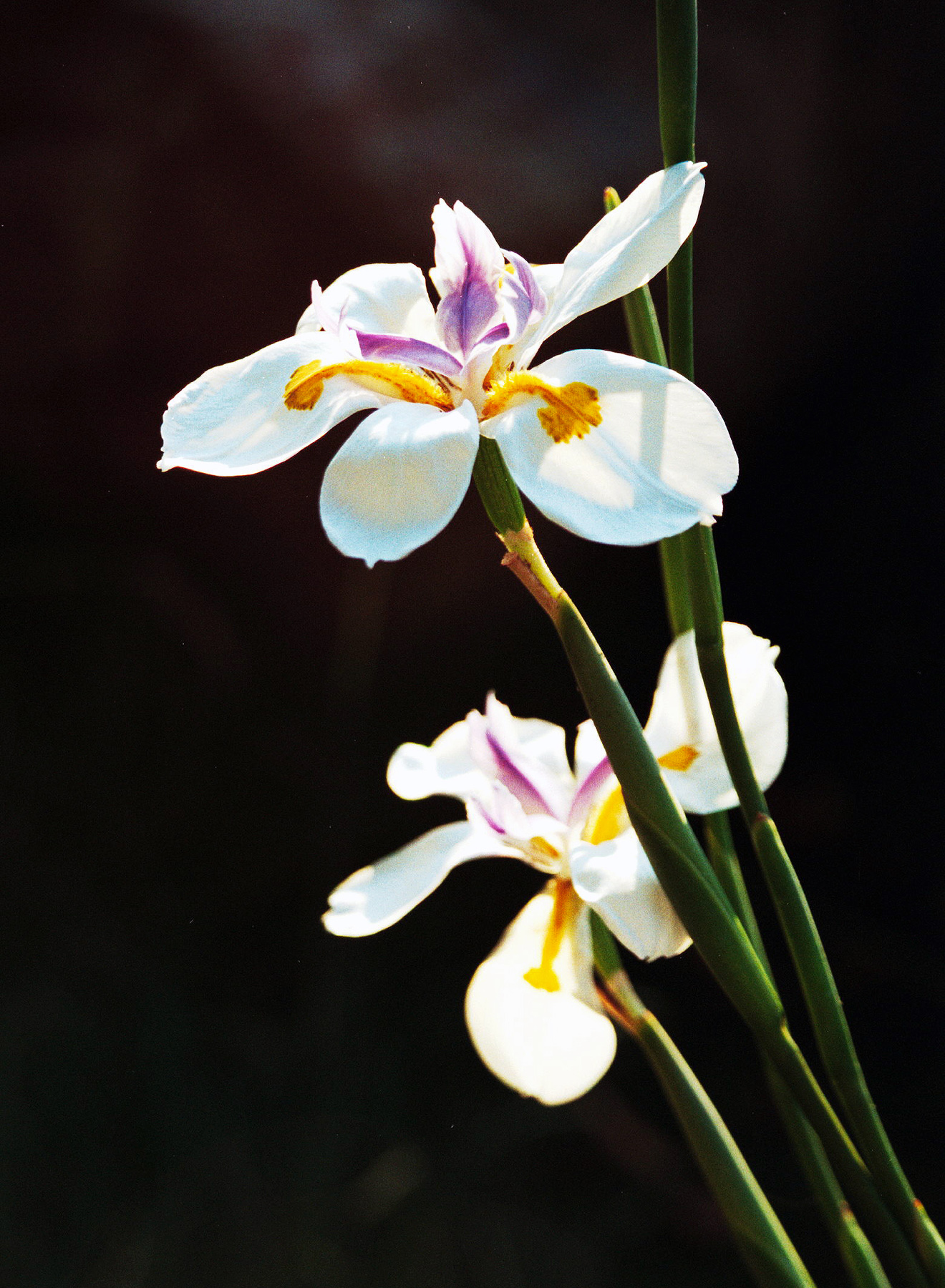
  • Iris: Symbolizes Christian resurrection
  • Lilies: Represent innocence, sympathy and purity
  • Sweet Marjoram: Stand for comfort and consolation
  • Roses: Depending on the color they have different meanings. White shows reverence, humility, and innocence. Pink represents grace and love. Red shows respect, love and courage.
  • Statice: Symbolizes remembrance

Any and all flowers are acceptable when sending sympathy arrangements. Here is a list of the general meanings behind the color.

Continue reading “The Meanings Behind Sympathy Flowers” »

Flower Customs for Asian Funerals

July 30th, 2011

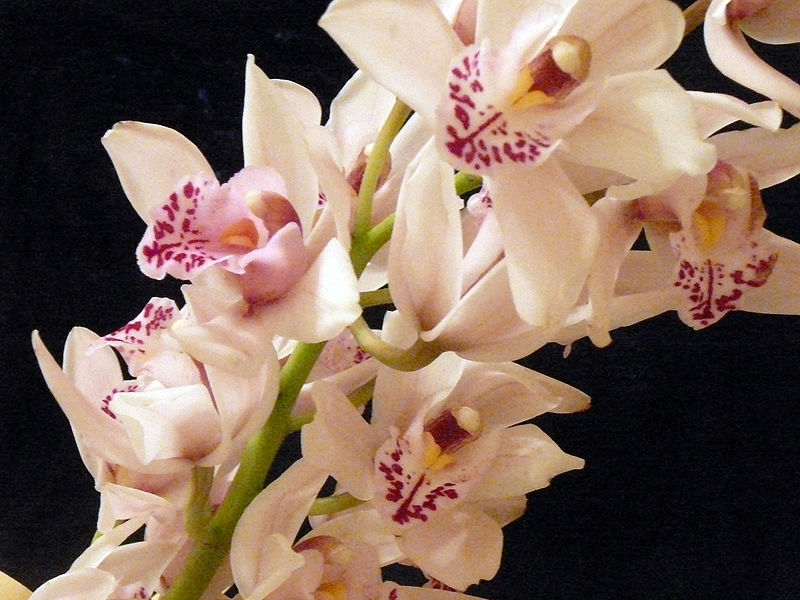
White OrchidsSending flowers to a funeral or to a family in grief is always appropriate and appreciated. Different religions and cultures have their own traditions passed down from generation to generation; it is important to respect and honor these traditions when sending flowers for a funeral. You want to make sure that the flowers you send convey the right message.

Significance of Flowers for Asian Funerals

In Asian culture, the color and type of flower is very significant. Each flower and color symbolizes something special.

White, light yellow, light pink and other pale colors are the most commonly used colors for an Asian funeral. These flowers give hope to those who grieve.

In Asian cultures, white is the color that represents death and is very appropriate for funerals.

REMEMBER: Red is strictly forbidden for funerals. It is the color of happiness and celebration, making a mockery of those who are grieving.

The most commonly used flowers for an Asian funeral are: Continue reading “Flower Customs for Asian Funerals” »