Author Archive

Where Do I Obtain Illinois Death Records?

April 1st, 2013

Ask The Funeral Expert:

Michele – My daughter, died on November 9, 1978 and her cremation took place at Severino Funeral in Rosemont, Il. My in-laws, Russell and Elizabeth Berggren, made the arrangements and have since passed away. I am trying to find any information I can on my daughter’s death records, and am wondering if you might have any records regarding her death. Any information you can give me would be greatly appreciated.  Thank you.

Funeral Expert Reply:

In the state of Illinois (as long as you can prove a relationship to the deceased and need for information), you can petition the Illinois Vital Record Department for a copy of the her death record.

You will need to prove the following:
The decedent’s full name.
* The date of death.
* The city and county where the death occurred, if known.
* The parent(s) name(s).
* Any additional identifying information you may have — such as the funeral home in charge of burial.
* Your relationship to the decedent.
* The reason for requesting the record.
* A copy/photocopy of a non-expired, government issued photo ID.
* I also suggest giving them the date of birth and location of birth.

You can ask for the information in-person, via, phone, fax, or online.  The best place to start your inquiry is in the county clerk’s office in which the death occurred. For example if she died in the same county as the funeral home, you would contact the Cook County Clerk.

If you want to visit them in person you would go to Cook County Bureau of Statistics, 50 W. Washington – Concourse Level -25 Chicago Il. By mail Cook County Bureau of Statisitics PO Box 641070 Chicago, IL 60664 or call them at 312-603-7788.

I hope this information is helpful. Please let me know if I can assist with anything else.

Plant a Memory for Your Loved One

March 29th, 2013

Plant a memory of your loved one with beautiful memorial flowers and trees that express your sympathy to be shared with friends and family. Or, give a unique “growing memory” gift that blooms and flourishes year after year while creating a lasting tribute to a loved one. What better way to remember a cherished one than with a tree or flowers in a memorial garden?

Seeds of Love Memorial GiftIn planting trees and flowers, you’re passing the gift of life back to earth. Unforgettable lush trees benefits everyone for future generations to come through sight and meaning. They also provide a wonderful symbol of the continuation of life for your loved one.

One company that is offering a memorable way to memorialize life is Plant A Memory. With them, they help create a beautiful way of remembrance of your loved one with their plant memorial gifts.

This company offers evergreens, forget-me-nots, daisies, wildflowers, herbal garden mixes or roses to remember your beloved. All come in beautiful packaging that is dedicated to your loved one.

With these seeds and trees, you’ll be able to create a memorial garden with gorgeous flowers and trees that offer a special place to honor your cherished one. Every time you see the garden, you’ll be reminded of all the fond memories that you two shared.

It’s also something that you’ll be able to share with family members and generations to come.

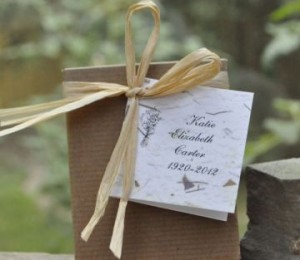
Memorial TreeSince Plant A Memory features these lovely seeds and trees in beautiful packaging, they are ideal for funeral keepsakes. Some family members like to save flowers from the funeral as a keepsake, but These lovely seed packets offer a renewable alternative to that practice.

They are even personalized with name, dates and a special message. Choose a dove bookmark with a wildflower mix, a cross memorial keepsake with forget-me-nots or a lovely evergreen that let family members have a beautiful, living keepsake to cherish for years to come.

Share lasting memories by planting flowers and trees that will bloom and grow with time. Visit Plant A Memory for meaningful and special flowers, as well as evergreens to create an everlasting impression for your loved one.

Preserving a Memory with PCS Laser and Memorial

March 27th, 2013

PCS Laser and Memorial helps you through this very difficult time with ease and compassion. Dealing with the loss of a loved one is a very difficult process and their goal is to make this transition a time of remembrance. By working with you to create the monument you and your family deserves is what they strive for to create a long-lasting memory.

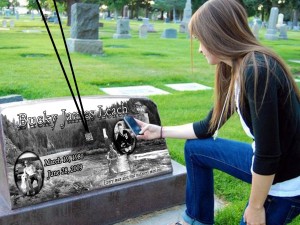
Istone MemorialIn their 25 years of business, many of their services have grown and changed, including their laser etching. Both remarkably detailed and long-lasting, laser etching on granite is an ideal way to preserve the memory of a loved one. Along with their laser etched monuments, you can even bring in personal photos of your loved one to create a custom image. Both are such wonderful ways to commemorate your beloved.

Another way their services have grown is with the addition of their isotone memorials. This new innovation memorial links cemetery memorials to a website that can be shared with loved ones around the world. QR codes on memorials act as a link from a smart phone to an online memorial. This is a great way to personalize a headstone eternally leaving a legacy behind.

Let a Memory Live On

First off, what is a QR code? Similar to a barcode, yet it contains so much more information. A QR code can be added to any memorial allowing smartphone enabled phones to scan it and then be taken to your loved one’s history, such as an obituary, photos, comments left by family and friends and even a video. Once someone scans the QR code, they will be connected to a personalized website which will then share your family’s history for years to come. Their legacy will live on and it becomes more than just a headstone. Visitors will truly get a feel of who they were as a person. Keep your family’s history alive with an “istone”.

PCS Laser and Memorial  offers beautiful headstones and even some that make for a  truly interactive experience. Giving anyone who visits more of a connection to your loved one as well as helping preserve your family’s history for generations to come.

Honor Your Beloved Pet with a Memorial

March 25th, 2013

The loss of a pet is utterly heart wrenching. To some, it’s like losing a member of their family. Pet memorials are a great way to commemorate the lives of those who gave you so much love and companionship. All pets are special and deserve a high quality memorial that will remind you and others of your wonderful life together. Pet families need the same support as those who are grieving the loss of a human family member. This is why dog and other pet memorials are becoming increasingly popular.

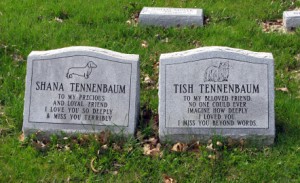
Pet Grave MarkersThere are many memorials available that can capture the special nature of your pet. You’ll find headstones, pet memorial stones, urns, tribute boxes, pet memorial jewelry and even online memorials.

Pet Headstones & Urns

There are many different types of headstones and urns for your beloved pet. Many companies provide headstones that feature their name, date of birth and passing date. You can even have it personalized by adding a precious photo, including a tribute or creating a special design. Monument companies will have many suggestions to enhance your ideas.

If you are wanting to have your pet cremated, you’ll also find various urns for the ashes. Again, you’ll find many designs and styles so you can choose the best one that suits your pet’s personality. Choose from wooden photo boxes, marble urns with or without a personalized photo, urns with poems, figurine urns and outdoor urns. These can easily be personalized exactly as you want so your friend is memorialized.

Shadow Boxes

Another alternative is a shadow box. This is a tribute box for your pet where you can place special photos, mementos, paw print impressions’, dog collar or favorite toy. Whatever your pet was fond of, include it in the shadow box. What a comforting way to memorialize your pet in your home. Every time you see the shadow box, you will be reminded of the special times you shared with your beloved dog, cat or animal family member.

Memorial Jewelry

You’ll also be able to memorialize your pet with jewelry. Pendants, bracelets or necklaces are available in different sizes, shapes and designs. Memorial jewelry is a way to keep you cherished pet close to your heart.

Memorial Pet Gardens

If you would like to honor you pet in a unique way that is comforting year round and you can celebrate the life of your pet, consider creating a memorial garden. Create a nice resting place for your beloved pet with a personalized memorial that is surrounded by beautiful flowers and trees. Your cherished pet can rest peacefully in their own lovely living memorial.

There are many ways to honor your beloved pet. It’s never easy to say goodbye, but a well-chosen pet memorial can help you remember your special pet.

Why Clean Your Monuments?

March 12th, 2013

Although most monuments are created with durable stone or metal, they should still receive proper care to pay respect to loved ones for many years to come. What goes into cleaning monuments? Why should you clean them? Recently, FSN Funeral Homes was able to interview Wrex Lindsay from Renew Monument Services to better understand the benefits of renewing monuments.

FSN Funeral Homes: Why should people clean monuments?

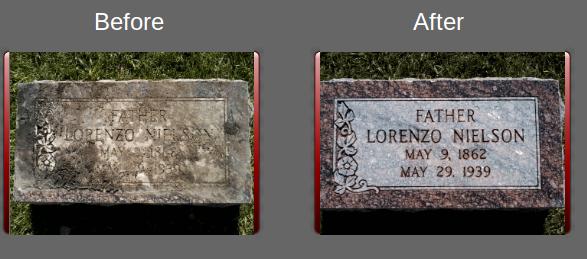
Before & AfterWrex Lindsay: There are a several reasons why people should clean their monuments. Over time, hard water, bird droppings, mold, dirt and acid rain can damage a monument. Those elements will cause the stone to weaken and begin to chip or stain. Secondly, the monument represents a loved one. By cleaning the monument, family and friends feel that their loved one is being taken care of.

FSN Funeral Homes:  So, there are many benefits on having headstones cleaned?

Wrex Lindsay: Yes. Not only does it make the monument look better, but it protects the stone from cracking, chipping or staining.

FSN Funeral Homes:  Exactly when will they know when it is time to clean their monument? Are there any signs to look for?

Wrex Lindsay – When the monument starts looking dirty and is losing its shine and appeal, then it is time to start the cleaning process. Our company offers a biannual and annual service plan to ensure monuments are protected and are kept looking their best.

FSN Funeral Homes – Is it really necessary to clean a monument that often?

Wrex Lindsay – When a monument has not been regularly cleaned, it is extremely difficult to remove dirt, mold, etc from the surface without the right cleaning techniques. We do recommend every 6 months to keep the stone looking great, however, Renew Monuments services also offers an annual plan. It is a matter of which plan works best for your monument.

Renew Monument Services is a professional headstone service company dedicated to the preservation and care of monuments, memorials, bronze markers, plaques, family cemeteries, and gravesites in Salt Lake City, Utah. Their main priority is headstone cleaning. However, they also re-level headstones, repaint headstones, and can re-seal headstones (basically re-glue the pieces of the monument together).

Why Life Insurance is Important When Planning A Funeral

March 6th, 2013

At some point, everyone has to sit down and discuss the need for life insurance. Yes, it seems overwhelming, but obtaining life insurance is a necessary step in preparing your family for life without you. This is especially true when dealing with the financial aspect of planning a funeral.

FSN Funeral Home understands that deciding what type of life insurance you need and why it is important can be somewhat confusing. So, we reached out to Gary DeSha from Gary DeSha Insurance who was able to help with questions concerning life insurance. We hope this interview is informative and answers some questions you may have concerning life insurance.

What You Need To Know About Life Insurance and Funeral Planning

FSN Funeral Homes:  When it comes to funeral planning, why is life insurance so important?

Gary DeSha: All of us will likely have to face the death of a close family member at some time in our lives. Perhaps you already have – and the painful memories are still there. In addition to grieving the loss and settling your loved one’s estate, there is also the immediate concern over funeral costs and how to pay for them. It’s a heavy weight to carry for surviving loved ones. Many of us never think about how our family will pay for our funeral.

The cost may surprise you. According to the National Funeral Directors Association, the average cost of a funeral in 2006 was $7,323 and that was seven years ago. This cost did not include the cemetery plot, monument, flowers, obituary or other cash expenses, which could push the cost well over $10,000.

Why burden your family with these costs at a time when they already have many other concerns? With whole life insurance, you can help reduce the worry your family will experience when you die. The life insurance policy assures that money will be in place for your family’s needs.

FSN Funeral Homes: So, exactly what are the different types of life insurance that can help cover these costs?

Gary DeSha: There are three types of plans, one that immediately provides a full death benefit and two that provide a limited death benefit in the first two years. Plan type is based on the answers provided on the insurance application. The three plans are as follows:

  • PlanRight with a Level Death Benefit – The death benefit equals 100% of the face amount. A maximum face amount of $35,000 is available, depending on your age at the time of application.
  • PlanRight with a Graded Death Benefit – The death benefit is limited to 30% of the face amount in the first year, 70% in the second year and 100% beginning with the third year. A maximum face amount of $20,000 is available, depending on your age at time of application.
  • PlanRight with a Modified Death Benefit – The death benefit is limited in the first two years to a return of premiums paid, plus 10% of annual interest. In the third year, the benefit equals 100% of the face amount. A maximum face amount of $15,000 is available, depending on your age at the time of application.

The accidental death rider can be added, at an extra cost, on PlanRight certificates with a level death benefit. The rider pays an additional death benefit if an accidental death occurs. For graded and modified plans, 100% of the face amount is paid if accidental death occurs in the first two years. There is no additional premium for this coverage. All PlanRight certificates include a common carrier accidental death rider that pays an additional death benefit (up to twice the face amount) with no additional premium, if the insured dies due to an accidental bodily injury that occurs on a common carrier. However, the insured must be a fare paying passenger.

FSN Funeral Homes: With so many different types of insurance, how does one know which type is right for them to ensure they receive the best coverage?

Gary DeSha: Find a policy with guaranteed premiums. PlanRight premiums are level and guaranteed. Unlike some other expenses in life, PlanRight premiums remain the same for as long as you keep the coverage current. Secondly, make sure your policy’s benefits are guaranteed. With PlanRight, your death benefit is guaranteed as long as premiums are paid. While your coverage is in effect, the policy will never be cancelled because of changes in your health. Thirdly, make sure you can access the cash value. In times of need, PlanRight allows you to borrow or use the cash value of the policy as collateral for a loan. Lastly, there are tax advantages to owning a policy like this. One advantage is your beneficiary will generally not owe any income taxes on the benefit proceeds.

FSN Funeral Homes: Along with there being different types of insurance, people can also determine their coverage. So, how does one even know how much coverage they need that includes funeral arrangements?

Gary DeSha: According to the National Funeral Directors Association, the average cost of a funeral in 2006 was $7,323. As stated above, this cost does not include the cemetery plot, monument, flowers, obituary or other cash expenses. What if your loved one dies out of the country or out of state? The costs incurred in transporting the remains back home for the funeral could run several thousand dollars. You don’t want to plan for the worst, but on the flip side, you don’t want to be caught with unexpected expenses either. So check with your local funeral home to get an idea of the current costs associated with a funeral. Once you have an idea of what the funeral would cost, you can then determine what life insurance amount you will need.

FSN Funeral Homes:  Lastly, when do you recommend that life insurance be purchased?

Gary DeSha: You may purchase life insurance at any age. If you’re single, your parents or siblings will not have to deplete their savings to take care of your final expenses. If you’re married, your family depends on you to provide a comfortable, safe lifestyle. You need help to protect that lifestyle. Contact an agent that offers a wide range of products that can meet your insurance needs. Many policies offer more than a death benefit. Some have optional accident or disability income insurance which will provide regular monthly income if you become totally disabled and unable to work as a result of an accident. Other policies offer accumulating cash value that can be used at retirement. Foresters, for example, offers an optional family health benefit to aid with unexpected hospital costs in the event of a natural disaster.

We may not want to think about life without us, but it is inevitable. Funeral planning and life insurance are the best way to provide for your loved ones’ needs after you are gone. You should be able to take the information Mr. DeSha provided and discuss your needs with both your insurance agent and your funeral home.

The key takeaways here are:

  1. Life insurance is very important when planning a funeral.
  2. Find a policy with guaranteed premiums.
  3. Check with your local funeral home on costs of a funeral. Once you have an estimated cost, you’ll have an idea of the amount of life insurance you need.

Gary DeSha is an independent insurance agent in Alexandria, MN. Over the years, Mr. DeSha has helped many families in Minnesota plan for their financial future. Gary DeSha Insurance is located at 2109 Lake Park Place, Alexandria, MN.

Can a Bucket list Help You Through Grief?

October 22nd, 2012

There are many forms of grief. How you cope with death is your decision. Everyone grieves differently. Why not let it have a positive impact of your life?

When you lose a loved one, do you ever take a moment to sit down and see how their death impacts your life? You’ll miss spending time with them, sharing talks and just knowing that they will always be there for you. What sort of positivity can come from it? Yes, it’s a truly saddening time, but think about how it can have a positive impact on your life.

Recently, Candy Chang, a local artist in New Orleans, took the time to turn an abandoned home into a giant chalkboard. She created a fill in the blank that said, “Before I die, I want to _____”. Her neighbors answers were funny, inspiring and uplifting. It made them take a moment and understand their dreams, wishes and life aspirations.

How can you apply this to your life or how can that same scenario help you with your grieving process? Live each day to it’s fullest, because your time on earth can be gone in an instant. Is there anything you have wanted to do since you were little: a hobby you wish you would have taken up; a specific food you’ve wanted to taste; a beautiful location you’ve wanted to visit? Everyone has hopes and dreams; start living yours today.

Sit down and create a bucket list of the things you have always dreamed about. You can even create a bucket list that features some of the aspirations of your lost one and dedicate it to them. It can be the top five, twenty or even one hundred. You decide. Let the loss of your loved one have a positive impact by helping you live your life to the fullest. Strive towards your goals and never give up. Once you achieve them, you will be able to look back and say that the loss of your loved one truly had a positive impact on your life.

Japanese-American Funeral Customs

October 18th, 2012

Japan is a country steeped in tradition. Many Japanese-Americans still follow these traditions especially those revolving around the major stages of life: birth, marriage, and death.

In Japan, the most common funeral services follow the Buddhist faith. The Buddhist ceremony consists of four parts: a wake, cremation, burial, and memorial services.  Japanese-American funeral services follow the same elements although in varying degrees. To understand Japanese-American funeral services, you must first understand the funeral customs and traditions of Japan.

An Offering at a Buddhist Funeral Ceremony

The Wake

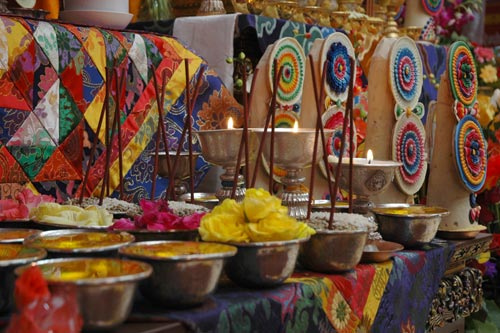
At the wake, the body is placed in a casket with the head facing north. Traditionally guests of Japanese funerals wore white, but today it is most common to wear formal black attire. At the wake a Buddhist priest will read a sutra. The priest will be carrying a prayer bead called a juzu. Guests may also be given a juzu upon arrival. Family members will then offer incense before the deceased. Traditionally, condolence money will be offered to the family to help with funeral expenses. People paying their respect will give the family an envelope called a koden which will contain anywhere from fifty to three hundred dollars. At the end of the wake all guests will be given an appreciation gift. Following the wake, close relatives will stay overnight with the deceased.

The Cremation Service

The day after the wake is the day of  cremation. The traditional Japanese cremation service differs from traditional cremation in America. In Japan, the casket is taken to the crematorium, and the family watches as the casket is placed inside. The family members then  leave and wait for the completion of the cremation. After the cremation is competed the family returns to transfer the bones of the deceased into an urn. This is traditionally done using chopsticks. Family members will pass the bones from chopsticks to chopsticks and into the urn. The order in which the bones are moved is important.  The bones must be picked up starting with the feet to the head in order to ensure the deceased is not placed upside down.

Japanese Burial Options

After the cremation service, family and friends may travel directly to the family grave – haka in Japanese – or keep the urn at the family home for several days. Traditionally, the entire family will eventually be buried in a chamber beneath the family grave. Today, it is becoming  common to keep the urn or to scatter the ashes in a symbolic location. If the deceased is buried in a family grave, family and guests may leave flowers, water, and incense in front of the site.

Japanese Memorial Customs

Japanese memorial customs depend strongly on family traditions. Generally, the first forty-nine days are very important for the soul of the deceased, since it is believed that the soul does not enter heaven until the forty-ninth day. A common custom is to hold a memorial service every seventh day until the forty-ninth day. At the memorial service, a Buddhist monk will chant a sutra, either at the family’s home or at the local temple. The family and friends will then place fresh flowers and burn incense at the family grave. Everyone will join together for a meal.

Finally, it is very important to understand the religious beliefs of the person who has passed.  Japanese Americans vary in traditions and beliefs. The first step in planning a funeral ceremony for a Japanese-American is to consider the beliefs of the deceased. For example, a Christian may want a funeral more similar to the traditional American style. Also, if family still lives in Japan, they should be contacted. They could help shed light on family customs. Lastly, it would be most appropriate to contact a Buddhist temple if attempting to conduct a Buddhist ceremony.  They may aid the funeral home in properly performing the Buddhist funeral ceremonies.

Buddhist Offering photograph from  acdme on Flickr.

The Military Funeral’s Flag Folding Ceremony

October 11th, 2012

Each funeral service is unique to those experiencing the loss of a loved one and also serves as a special tribute to the deceased.   Military funerals have elements not found in civilian funerals which allow those in attendance to recognize the veteran’s service and patriotism. One symbolic practice at the funeral of a veteran is the flag folding ceremony. The giving of the flag is a special element of the funeral service which honors the service of the deceased and their family.

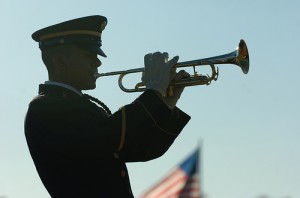
Taps Being Played at a Military Funeral

What is Said When the Flag is Presented

Every branch of the military makes a unique set of remarks during the presentation of the American flag to the family.

U.S. Air Force

“On behalf of the President of the United States, the Department of the Air Force, and a grateful nation, we offer this flag for the faithful and dedicated service of (Service Member’s rank and name).”

U.S. Army

“This flag is presented on behalf of a grateful nation and the United States Army as a token of appreciation for your loved one’s honorable and faithful service.”

U.S. Coast Guard

“On behalf of the President of the United States, the Commandant of the Coast Guard, and a grateful nation, please accept this flag as a symbol of our appreciation for your loved one’s service to Country and the Coast Guard.”

U.S. Marine Corps

“On behalf of the President of the United States, the Commandant of the Marine Corps, and a grateful nation, please accept this flag as a symbol of our appreciation for your loved one’s service to Country and Corps.”

U.S. Navy

“On behalf of the President of the United States and the Chief of Naval Operations, please accept this flag as a symbol of our appreciation for your loved one’s service to this Country and a grateful Navy.”

Some families may also want to add “God bless you and this family, and God bless the United States of America.” This will depend on the belief system of the family.

Proper Treatment of the Presented Flag

The flag used in a military funeral should never be flown again. The American flag should stay in the tri-fold shape and be placed in a display case. The display case will ensure that flag will remain in good condition.

Other protocol for a military funeral includes the playing of “Taps” and a seven man firing squad.  No matter which elements are used, they are all honorable manners to recognize the deceased’s service. If you wish to honor your deceased veteran with a military funeral, contact your funeral home director and inform them that the deceased has earned military honors. They will be able to make the appropriate contacts and ensure that the service is properly performed.

Taps photograph from  Virginia Guard Public Affairs on Flickr.

Navigating Social Media and Funeral Etiquette

October 8th, 2012

When someone passes there is more left behind than just their physical property. The importance of social media profiles have given many individuals a strong online presence which remains after death. For those trying to settle the estate of a lost loved one, you should be aware of the power of social media and the options available for managing these accounts. FSN Funeral Homes would like to share some of these options and the proper etiquette of using social media in the event that someone you love passes.

Deactivating the Deceased’s Social Media Accounts

Facebook

With Facebook, you have two options:  permanently delete the profile or memorialize the profile. For more details, check out this FSN Funeral Homes post.

Google Accounts

There are Many Ways to Settle the Deceased’s Online Affairs

To gain access to a Google account, whether to delete it or perform upkeep, you need to submit the proper forms (this includes the death certificate, a copy of your driver’s license, a copy of an email from the Gmail account you wish to access.)  This applies to Gmail, Google+, YouTube and other Google applications.  For more information on how to deactivate the deceased’s Google account, read here.

Twitter

Twitter accounts of the deceased may be deactivated by an authorized family member. Twitter requires a death certificate, your driver’s license, an obituary, and a notarized statement of intent. Visit the Twitter support page for more information.

Flickr

If a Flickr account becomes inactive, only the last 200 photos will be visible to the public. Flickr does reserve the right to remove these inactive accounts, but typically don’t. If you wish to deactivate a deceased relative’s account, contact the Yahoo! Legal Compliance team at (408)349-3687 for instructions and options. A death certificate will be required.

LinkedIn

To notify LinkedIn of a deceased contact profile, you must submit a Read Instructions and Access the Verification of Death Form which will then be processed by the site.

Proper Etiquette for Memorializing with Social Media

Be Informative

If you choose to memorialize or maintain your deceased loved one’s profile, make sure you remain informative. Too many status updates or posts will fill friends’ pages with reminders of their lost loved one. Though some may appreciate this, others may find the constant reminder painful. Use the profile to inform the deceased’s friends about funeral arrangements and allow them to leave encouraging posts and stories.

Report Inappropriate Content

The greatest risk which comes from leaving a profile open to the public is the posting of inappropriate statements. The deceased should be honored through these sites, not criticized or disrespected. If you see any inappropriate, rude, or offensive post on a profile, immediately report it to the social media site. They should be more than willing to handle the issue.

In the case that a video is posted on YouTube of your deceased loved one while in critical condition or after death, fill out an online form to remove it.

Be Clear

When a profile is not properly memorialized, some people may not be aware that the individual has passed. Make sure all who visit the page are informed that the profile is in memorial.  If you do not, some may unknowingly send messages or post on their page expecting a response. This can be embarrassing and painful for all parties involved.

Pre – Planning and Social Media

Today, there are several social media pre-planning options which allow individuals to ensure their online presence is properly handled after death. These services provide everything from allowing access to online banking or email to a specified individual, deleting or memorializing accounts, and sending tweets upon death. The United States’ government advises that every individual create a social media will in its USA.gov blog.

Though handling your deceased loved one’s online affairs may seem difficult, please do not underestimate the importance of settling these online accounts. Social media serves to connect people and can be a valuable resource for informing the public of an individual’s passing. These online friends will appreciate that you took the time to inform them and you will have the opportunity to connect with other individuals who care for your lost loved one.